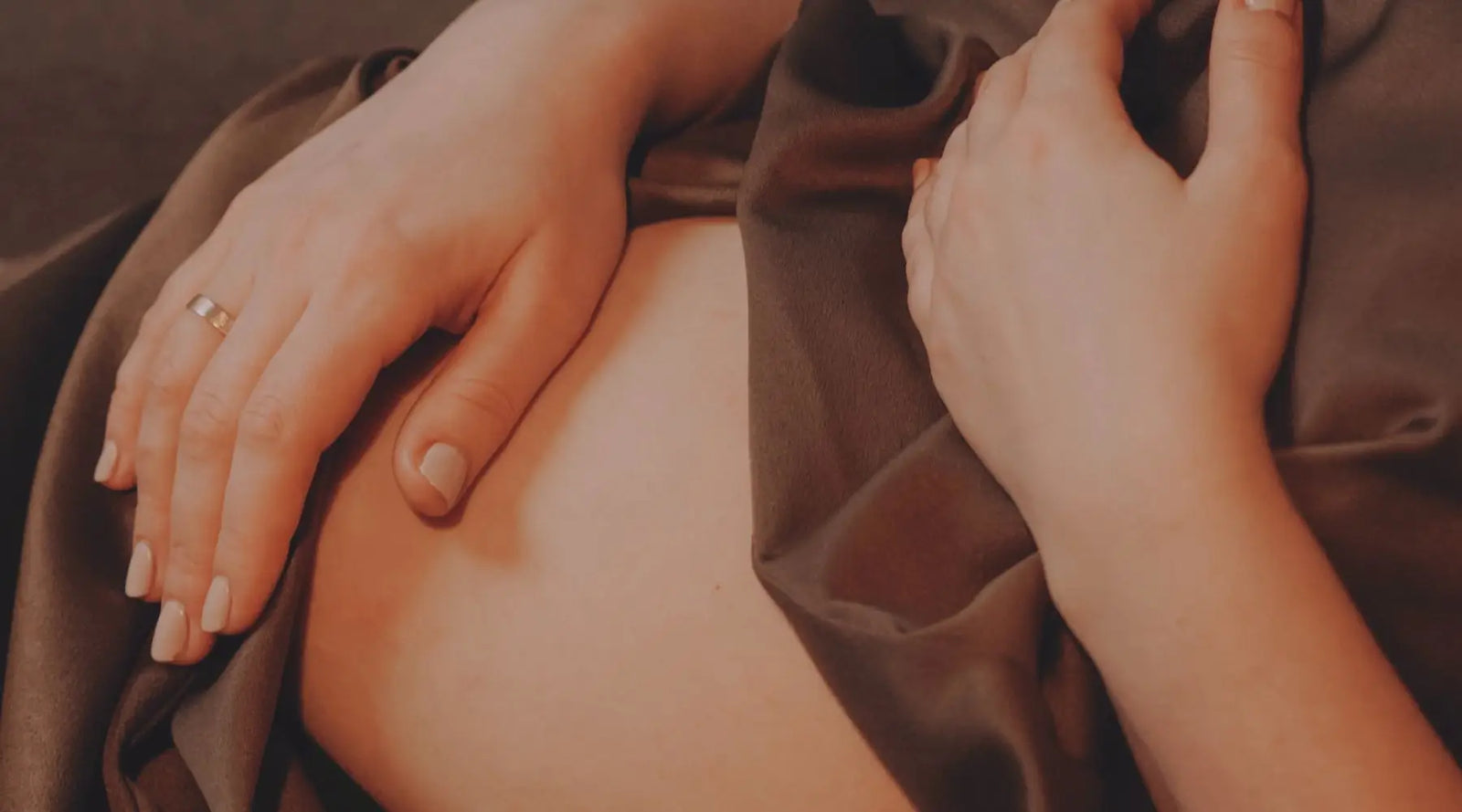


In the first days after birth, your body begins one of its most complex recovery processes.
Your uterus is contracting back to its original size. Your abdominal muscles, stretched for months, are finding their way back together. Your ligaments, softened by relaxin throughout pregnancy, are still loose.
For mums in Asia, recovery wear is also worn through the confinement period, traditionally the first 30 to 40 days postpartum, and often well beyond.

The good news is that the science supports wearing it for up to 3 months. The key is choosing the right fabric for our climate.
Here is what the research actually says, and what to look for in Singapore's heat.
1. Compression Supports the Uterus as It Contracts Back
After birth, your uterus shrinks from roughly the size of a watermelon to the size of a pear. This process, called involution, takes approximately 6 weeks.
During this time, gentle abdominal compression can support the process and reduce the sensation of heaviness and discomfort that many mums feel in the first 1 to 2 weeks.
A study published in the Journal of Obstetrics and Gynaecology Research found that abdominal binders used in the early postpartum period were associated with reduced pain scores and faster perceived recovery in women after both vaginal and caesarean births.
This aligns with what many Asian confinement traditions have practised for generations.
The bengkung belly wrap, used across Malay and Indonesian postpartum care, is built on the same principle: gentle, consistent compression during the weeks your body is doing its most active healing. The science backs it up.
This is not about flattening or reshaping. It is about giving your body a layer of support while it does the work on its own.

Even plastic surgeons agree. Dr Pearlie Tan, a senior plastic surgeon in Singapore, shares that a good abdominal binder should be comfortable enough to wear all the time, supporting your muscles as they heal. She goes into the details in our interview here.
2. It Helps Your Core Muscles Find Each Other Again
During pregnancy, the two columns of your rectus abdominis muscle separate to accommodate your growing baby.
This is called diastasis recti, and it affects up to 60% of women by the third trimester, according to research published in the British Journal of Sports Medicine.
After birth, these muscles begin to come back together. Gentle compression wear does not force this process, but it does provide proprioceptive feedback, essentially reminding your muscles where they are and encouraging better alignment during everyday movement.
Physiotherapists in Singapore commonly recommend light abdominal support from week 2 through month 3 postpartum as part of a broader core recovery plan.
Consistent daily wear, even for a few hours, is more effective than wearing it occasionally.

3. For C-Section Recovery, the Evidence Is Particularly Strong
For mums recovering from a caesarean section, abdominal support plays a specific and important role.
A caesarean involves cutting through multiple layers of tissue, including the fascia and uterine wall. The recovery period typically spans 6 to 12 weeks.
Research published in Gynecology and Obstetrics found that abdominal binders following caesarean delivery significantly reduced postoperative pain and improved mobility in the first week.
Mums reported being able to move, sit up, and walk more comfortably when wearing support.
The key is starting with softer, more flexible compression in the first 2 weeks and transitioning to more structured support from week 3 onward, always guided by your doctor or midwife.
4. Posture Support Reduces Back Pain for Up to 3 Months
Postpartum back pain is extremely common, and it is not caused by one thing.
Relaxin, the hormone that loosened your ligaments during pregnancy, remains in your body for several months after birth, particularly if you are breastfeeding.
Combined with the demands of feeding, carrying, and holding a newborn, your back and pelvis are under significant strain.
Recovery wear that extends to the lower back and hips provides gentle structural support during this entire window.
The American College of Obstetricians and Gynecologists (ACOG) notes that postural support garments can help mums manage musculoskeletal discomfort in the postpartum period.
In Singapore's climate, this is where fabric matters most.
Heavy or non-breathable materials worn in 30-degree heat become uncomfortable quickly, which means mums stop wearing them. Lightweight, moisture-wicking fabrics allow you to wear support consistently through month 3, which is when the benefit is greatest.

5. In Singapore's Heat, Fabric Is Everything
The most important variable in whether recovery wear helps you is fit, and in Singapore, breathability is just as critical.
Compression that is too tight can restrict breathing, impede circulation, and put pressure on healing tissue. Compression that is too hot becomes unwearable within the hour.
The sweet spot is firm but breathable. You should feel held, not squeezed. You should be able to take a full deep breath easily.
Look for moisture-wicking, lightweight fabrics designed for tropical climates. These allow you to wear your binder for the full recommended window, from day 3 to 5 postpartum all the way through month 3, without the heat becoming a reason to give up.

Timing-wise, most women's health physiotherapists recommend beginning with lighter support from around day 3 to 5 once initial swelling reduces, then transitioning to more structured support from week 2 onward. Wearing consistently for 3 months gives your core and posture the longest possible benefit window.
La Leche League International also notes that any compression worn during breastfeeding should never put pressure on breast tissue, as this can contribute to blocked ducts.
The Bottom Line
Recovery wear is not a shortcut.
It does not speed up what your body needs time to do on its own. But worn correctly, in the right fabric, for the right duration, it can reduce pain, support your posture, and make the physical demands of postpartum life significantly more manageable.
The recommended window is 3 months, not 6 weeks. Your core, your ligaments, and your back are still actively recovering well beyond the confinement period. Consistent support during this time is one of the most practical things you can do for your body.
In Singapore's climate, the difference between recovery wear you actually use and recovery wear that sits in a drawer comes down to one thing: fabric.
Choose breathable, choose lightweight, and wear it every day.
You went through something significant. Giving your body the right support as it heals is not indulgence.
Learn More:
Research sources: Journal of Obstetrics and Gynaecology Research, British Journal of Sports Medicine, Gynecology and Obstetrics journal, ACOG (American College of Obstetricians and Gynecologists), La Leche League International
Additional resources: Singapore General Hospital Postnatal Care Guidelines, KK Women's and Children's Hospital postpartum resources, ABM Clinical Protocol #36
Are you enjoying this post?
Feel free to share this with any mums. Join the mums community today and receive weekly motherhood tips and tricks directly to your inbox. Occasionally we will send you updates on new launches and exclusive events, and you will always be the first to know.
Shop Lovemère collection today.
Chat with Maya