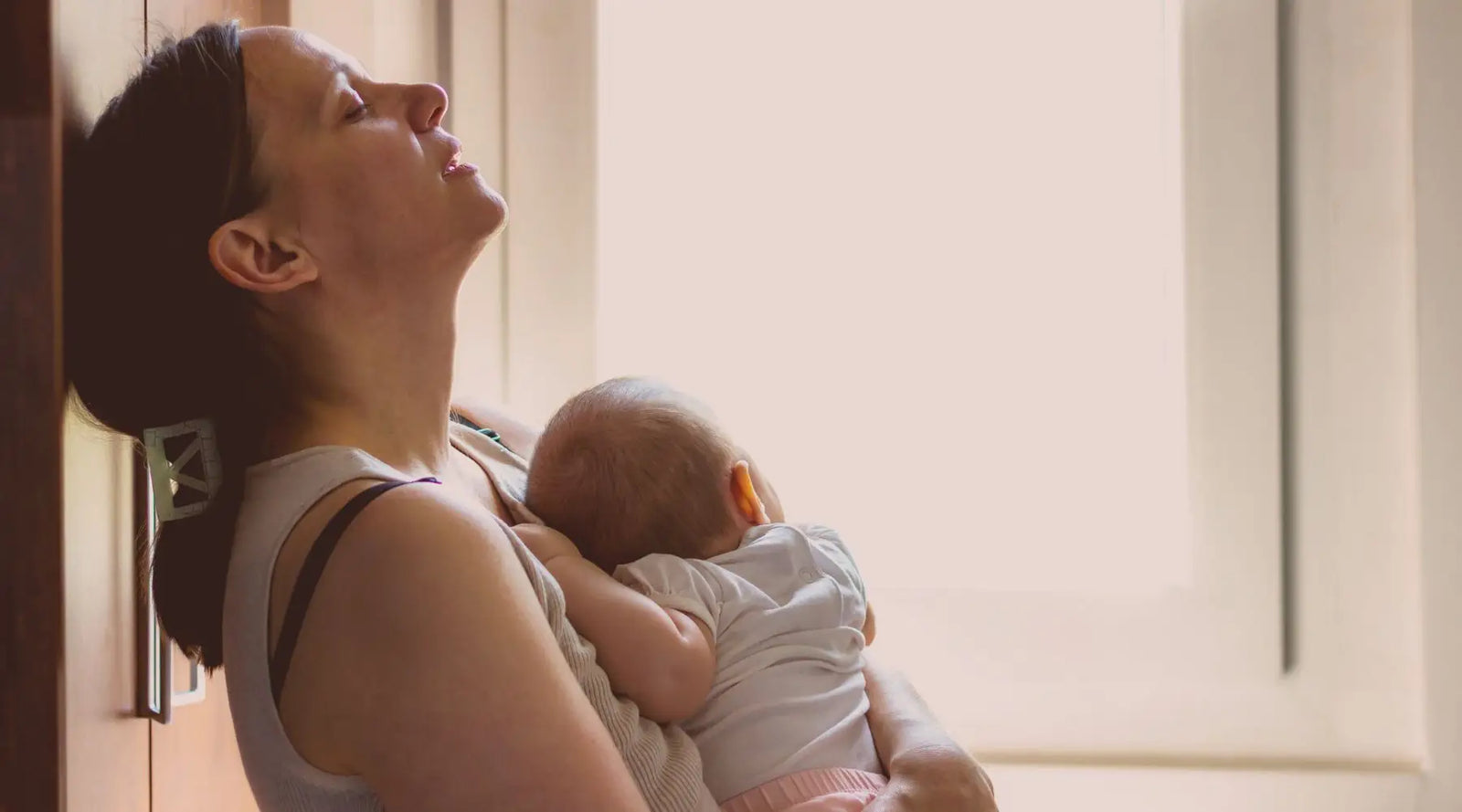


Every new mum knows she will be tired. What almost nobody prepares for is how different this tiredness feels from anything before.
It is not just the broken nights. It is a bone-level depletion that sleep alone does not fix. And there is a biological reason for that.
Understanding what is actually happening inside your body during the postpartum period changes the way you approach recovery.
1. Your Body Just Did Something That Required Enormous Resources
Pregnancy and birth are among the most physiologically demanding events the human body experiences.
Over nine months, your body diverted significant nutritional and hormonal resources to support your growing baby.

Iron levels drop substantially during pregnancy and birth, particularly if you had any bleeding.
According to the World Health Organization, postpartum anaemia affects up to 50% of women in Southeast Asia, and it is one of the most underdiagnosed contributors to postpartum exhaustion.
The symptoms, persistent fatigue, breathlessness, difficulty concentrating, and low mood, are easy to attribute to sleep deprivation.
But they are often a sign that your body needs more than rest.
A simple blood test at your postnatal check can identify iron deficiency. If your tiredness feels outsized relative to your sleep, it is worth asking your doctor to check.
2. The Hormonal Shift After Birth Is Abrupt and Significant
Within 24 hours of delivery, oestrogen and progesterone, the hormones that were elevated throughout pregnancy, drop sharply.
This drop is normal and necessary. But it is not without effect.
These hormones influence energy regulation, mood stability, sleep quality, and even how efficiently your body uses nutrients.

Their sudden decrease after birth is one of the biological drivers of baby blues, and it also contributes directly to how flat and depleted many mums feel in the first two to four weeks.
Research published in Psychoneuroendocrinology has linked the postpartum hormonal shift to disruptions in sleep architecture, meaning that even when postpartum mums do sleep, the quality of that sleep is measurably different.
You are not imagining it. Your body is recalibrating.
3. Breastfeeding Places Additional Demands on Your Body
If you are breastfeeding, your body is producing a nutritionally complete food source while also recovering from birth.
Breastfeeding increases your daily caloric and fluid requirements significantly, and it keeps prolactin levels elevated, which suppresses oestrogen and can affect overall energy levels.

A 2020 review in Nutrients found that breastfeeding mums who did not meet their increased nutritional needs were more likely to experience fatigue, low mood, and a slower postpartum recovery.
This is not about pressure to eat perfectly while managing a newborn. It is a reminder that what you eat genuinely affects how you feel.
Warm, protein-rich meals during the confinement period are not just cultural tradition. They support real physiological recovery.
If eating enough is a challenge, even adding a glass of milk or a handful of nuts between feeds makes a measurable difference to sustained energy.
4. Sleep Debt Is Real, But So Is Rest Debt
Sleep deprivation in the newborn phase is significant, and no amount of advice about napping when the baby naps fully addresses it.
But beyond sleep, postpartum exhaustion is compounded by the absence of genuine rest.
Rest, as distinct from sleep, includes time when you are not on alert. Not watching the monitor. Not mentally composing the next feed. Not cataloguing everything that needs to be done.

Research in Sleep Medicine Reviews has found that new mums experience elevated arousal and vigilance even during sleep, meaning the nervous system stays partially activated.
The result is sleep that does not fully restore.
This is not a personal failing. It is an adaptive biological response that keeps you attuned to your baby.
But it also means that the quality of any rest you take, not just the quantity, matters more than you think.
5. What Actually Helps?
Postpartum exhaustion does not have one fix. But several approaches make a consistent, meaningful difference.
Get your iron and thyroid checked at your postnatal appointment. Postpartum thyroiditis affects around 5 to 10% of women after birth and causes fatigue, mood changes, and weight fluctuations that are often mistaken for normal postpartum experience.
Eat enough, and prioritise protein and iron-rich foods. Leafy vegetables, eggs, meat, fish, and legumes are your best tools here.

Accept help with the physical tasks that do not require you.
Outsourcing dishes, laundry, or cooking is not indulgence. It is energy management.
Wear comfortable, supportive garments that do not add physical strain.
Clothing that is easy to nurse in, that supports your posture, and that does not require effort reduces the small physical taxes that accumulate through the day.
And talk to your doctor if the exhaustion feels unmanageable.
The Bottom Line
The tiredness you feel after birth is not a weakness. It is the result of a physiological process that involves hormones, nutrition, nervous system activation, and sleep architecture, all at once.
Give yourself the same informed, patient care you would give to anyone recovering from something significant. Because that is exactly what you are doing.
Learn More:
Research sources: World Health Organization (Postpartum Anaemia), Psychoneuroendocrinology journal, Nutrients journal, Sleep Medicine Reviews journal
Additional resources: HealthHub Singapore (Postnatal Care), KK Women's and Children's Hospital Postnatal Resources, Thomson Medical Postnatal Care Guide
Word count: approximately 750 words (body content only, excluding references and email components)
Chat with Maya